Len's Roofing Helps You Understand Roofing Terminology For Better Roofing Decisions
Sometime during your home ownership journey, you'll need to repair or replace your roof. While regular maintenance is expected, it can still feel overwhelming. Negotiating with contractors, comparing bids, and knowing what to look for can be stressful. Without basic roofing knowledge, homeowners can be taken advantage of by contractors who cut corners, oversell products, or fail to deliver promised work.
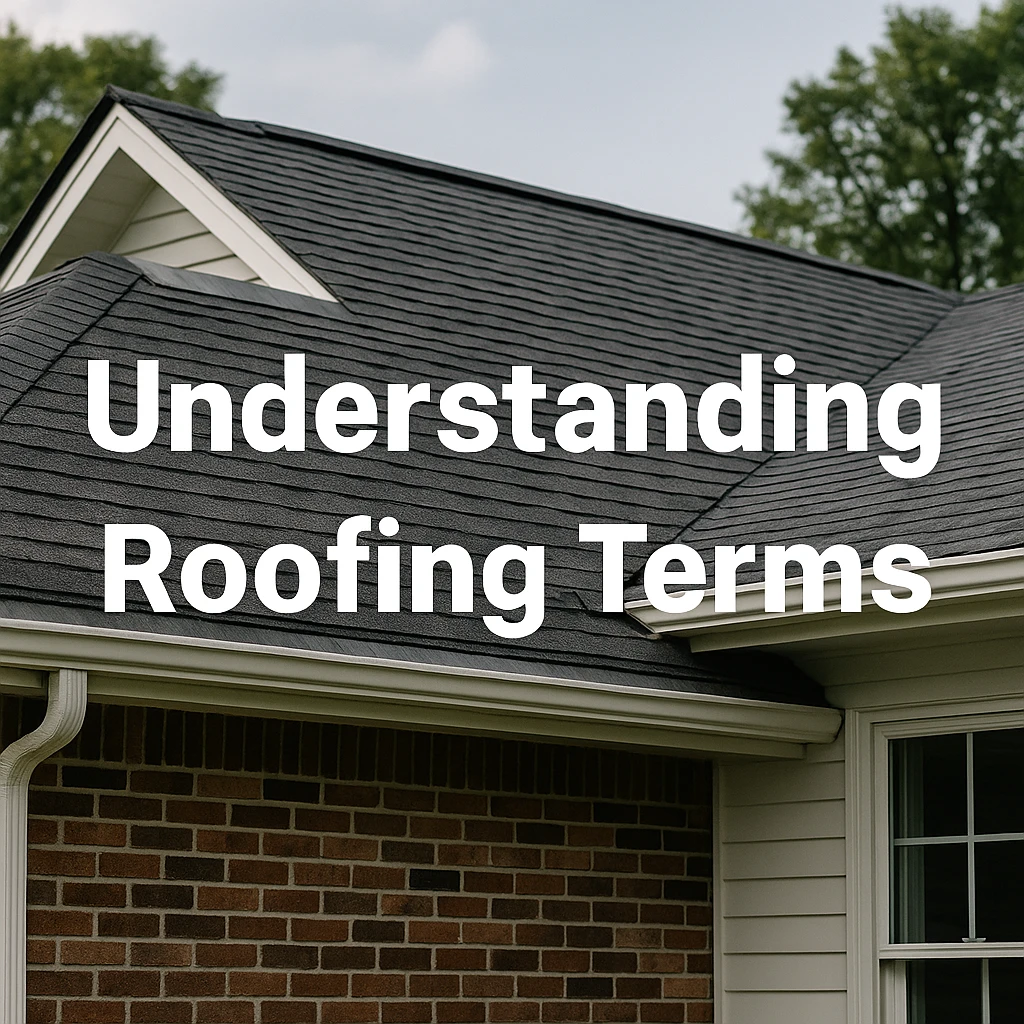
Knowledge is power. Understanding the parts of your roof and the terms used by roofing professionals can help you confidently advocate for your home and ensure you’re getting quality work. Here are the essential roofing components every homeowner should know.
Basic Parts of a Roof
Sheathing (Roof Deck): Sheathing consists of wood or boards secured to your rafters. This creates the base structure that supports all other roofing materials. This is also called roof decking.
Underlayment: Underlayment is a water-resistant or waterproof layer installed between the sheathing and the outer roofing material. Its job is to protect your home from moisture infiltration.
Flashing: Flashing is metal that is placed in areas where rooflines meet or where features like chimneys and vents penetrate the roof. Its main purpose is to direct water away from vulnerable areas.
Covering: The covering includes both the underlayment and the outer roofing material, such as shingles, metal panels, or tile. This is the layer most visible from the street.
Drainage: Drainage refers to any feature that helps guide water off your roof and toward gutters, preventing pooling, leaks, and foundation issues.
Structural Features of a Roof
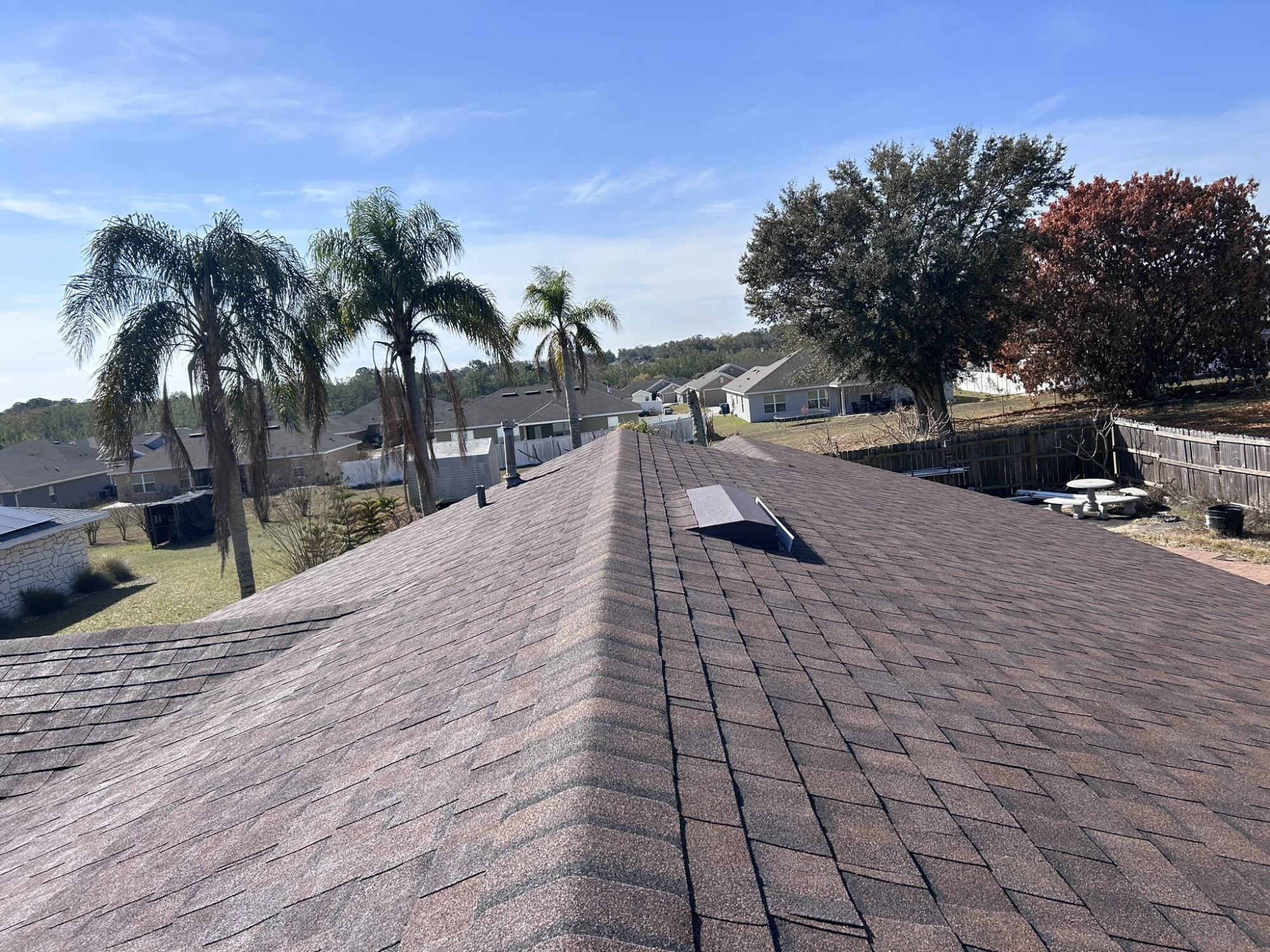
Ridge: The ridge is the highest point of a roof where two sloping sides meet. It requires proper sealing to prevent moisture entry.
Valley: A valley forms where two downward-sloping sections of a roof connect. This is a common trouble spot where water and debris tend to collect, making proper installation essential.
Eaves: Eaves are the lower edges of the roof that extend past the home’s exterior walls. They help direct rainwater away from your foundation.
Fascia: Fascia boards are installed at the edge of the roofline. They support the bottom row of roofing material and give a clean, finished appearance while protecting the structure underneath.
Len's Roofing: A Roofing Contractor You Can Trust for Over 30 Years
Roofing terminology doesn’t have to be confusing. When you understand what roofing contractors are talking about, you’ll feel far more confident choosing the right one, and understanding your estimates.
At Len’s Roofing we are experienced, caring, and committed to providing quality craftsmanship and trusted solutions that fit your budget. With more than thirty years of industry excellence, we help homeowners protect their roofs, and their peace of mind.
Call us today at (941) 896-7897 for a complimentary roofing assessment. Or schedule online at Lensroofing.com/services/free-roof-estimate.